Showing posts with label Research. Show all posts

Thursday, 23 January 2014

"Artifact"

On Friday (17th January) I finally got around to watching the critically acclaimed documentary made by the band 30 Seconds to Mars (and directed by Jared Leto) and how they had the idea of making a documentary about their next album (named "This is War" during the lawsuit process feeling this was too appropriate). The tables turned however when they almost ended up getting sued by their own record company for $30,000,000 and their documentary played a huge part in every day people finding out what really goes on in the music industry.


One of the main reasons that I was attracted to this film was because I'm a huge fan of the band and have been for a long time. I knew something had been going on for a long time but in terms of the media, I myself, never heard too much about the lawsuit that went on between them and EMI. Maybe that was because I don't listen to much news or it was purposely not "put out" that much because of the success and power that EMI have in the music industry.

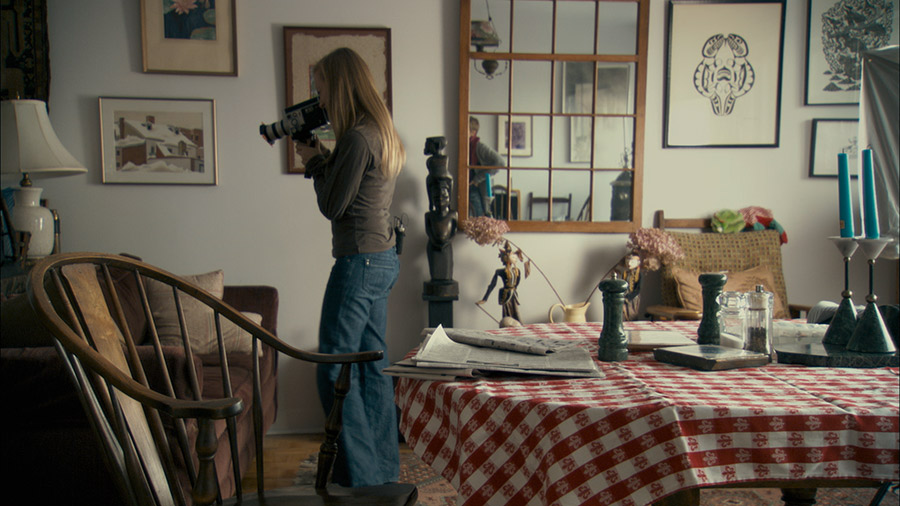
Below are some screen shots that I took from the film, not only because I found the shots interesting but because they are beautifully shot:

(Lee Trink: Former Pres. of Capitol Music Group - EMI)

(Jared Leto on one of the first phone calls on hearing of the lawsuit)

(Tomo Milicevic speaking throughout the documentary about their struggle)

(Shannon Leto and Jared Leto in one of their big meetings with their lawyer talking to the competitor over the phone)

(Amazing shot of Los Angeles where 30 Seconds to Mars spent most of their time during the recording of their album)

(Jared Leto on the phone to his lawyer after not hearing from EMI after thousands of promises)

(Chester Bennington from Linkin Park talking about the hidden struggles of the music industry)


(Tomo and Jared jamming in the studio they built)


(The build up of how long it takes EMI to get back to Jared, despite being promised the next morning)


(The continuation of the build up and numbering what day it is of the lawsuit)

What surprised me most about 'Artifact' is that even though there were four film makers during the entire process, the film felt very smooth and you never noticed what camera man was shooting what footage. With over three thousand hours of footage, you have to give credit to the editing team of narrowing down that footage and smoothing it out perfectly. 

Now when I listen to the album "This is War" it feels so much more passioniate that I could have ever imagined. The songs are very powerful but I didn't know the fight and the power games that were going on throughout the making of this, and that is why it just screams at you now. They truly showed not only the music industry, but the media industry overall that it's about fighting for what you believe in, and not giving up despite questioning why it is happening to you.

Reflective Essay on my Experience.

As I reflect over my documentary experience, I have had both ups and downs. Now naturally, this happens in every single production because nothing will ever run smoothly, that’s not how life works.

I feel like my partner and I didn’t connect as much as I had hoped. While this has its disadvantages, it also had its advantages. We were able to create two completely different edits; Jamie’s focused more on a montage piece of the knitting group whereas mine dove into a more personal element with my Mother along with the knitting group as well. I personally prefer working alone on the editing side of film making and with us both having two very different views on how we wanted our projects to turn out, I think the editing process was a lot easier working separately.

The disadvantages outweigh the advantages however; pre-production meetings were few and far between (despite them being regularly organized for certain days and times) and a large majority of our communication was done over Facebook. In my past experience, using Facebook as a primary source to communicate with a group hasn’t always worked out well, so I wasn’t a huge fan of using it this time around. I feel my partner and I had very different ideas from the start and it took us a few weeks longer than other groups to actually choose our subject. Both having different ideas isn’t necessarily a bad thing but when one has to compromise for the other, I feel like the other person will always have more of a passion for the subject than the other. Even when we first started speaking about knitting, it was clear that we both had different visions for what we wanted our documentary to be and because we are both inspiring editors, we both wanted to edit as well. I’m very glad that we had the opportunity to do our own edits because I didn’t want my favourite stage of the process to be dampened with questioning and debating each shot with each other.

Going into the knitting groups, I was very nervous about walking into a part of these people’s lives and having a camera sitting in front of their faces. I was worried that they wouldn’t want us to film, or we were getting too close to them or that they would be very uncomfortable in our presence, which is something I definitely didn’t want to happen. I know being a part of a documentary is that you stage reality to a certain degree but before the subject was knitting, I didn’t want to walk in and have to ask some-one to knit that again or distract them, causing them to make a mistake. We didn’t have to stage any shots in the knitting group and maybe we should have done it for one or two shots, just to have something extra but I honestly don’t think we needed it, which made me very happy.  

For me, my disappointment happened when we came to the realization that we would have to re-shoot the knitting groups again. At the time, I thought I had done something wrong but I came to learn that there aren’t many film shoots that don’t have re-shoots so that made me feel a little better. As we finished our re-shoot and looked over the footage, I was shocked at how much better the re-shoot footage was compared to the first. Our main mistake was not using a tripod and we should have used one from the start; we didn’t think we would need one because we wanted to do a lot of moving and close up shots, and using a tripod, this is a lot tougher. So the second time around, even though I wasn’t able to get as close as I wanted to the wool, especially at the knitting group, the footage came out clearer and more smoother, so I didn’t mind compromising on moving shots so much.

I have played a small part in documentary film making before but it was very unstructured and I didn’t like the end result. This was a lot more structured than my previous work but I feel like for this documentary, it could have been more structured than it was. I would have liked to work as a team more but I fear that our edit and both our visions would have been compromised if we had to do one single edit because of the different ways we wanted to go. I’m very happy with my edit and how it turned out; I gave colour correction my best shot when it came to the interview stage but that was a small problem with the lighting in the room so I don’t feel it takes away from the documentary. My music is quite quirky and could be called cheesy at times but that was the style I was going for because of the subject matters, and I think it fits the shots, the vibe and the story well.

Overall, I enjoyed the majority of the documentary experience and I would say the only large negative I have is the lack of communication at times. I find it very stressful when I don’t know where projects are headed, and meetings help me get through that struggle.

I don’t feel like my documentary is just your average short documentary; I believe it has character, as well as being insightful and entertaining about a hobby that everyone has heard of but doesn’t know much about. 

"Tightly Knit"

Here's a link to my partner Jamie's blog, and how he has progressed throughout this process too.

Looking back to the beginning.

As we tidy up our production folders ready for hand in, I look at our treatment from when we started this project, compared to our edits, it hasn't become the outcome we once wrote down in October. When you're making a film, I don't think that any treatment will match the film in the end, and I think that shows what I said in a few posts back about how 'life happens' and how things can change throughout the filming process.

The treatment is meant as an strong outline for our film and although our original intentions were interesting, exciting and had a lot of potential; we came together and made two totally different visions and it's for this reason I don't mind that the documentary went in a different direction completely. I'm glad we had the treatment as a structure of course, but I'm happy that we explored other areas and that the documentary turned out with surprising results.

Wednesday, 22 January 2014

The Editing Process.

The editing process of film making is possibly my favourite part of creating a film. I usually edit on my own, so I can sit for hours and finely tune everything as best I can and it doesn't feel like work. I worked for a number of days on my edit, before Christmas and after Christmas, and I'm very pleased with how it turned out. 

After everything had been shot, I was a lot more happier to edit because I already felt like I was closer to finishing it even though I had just started. I encountered a small number of basic problems while editing but I feel like I handled them well with my best efforts.


Colour Correction:
This was only due to either not the right white balance being set or the fact that the lights I used where normal household lights and most lights like this, do have a yellow tint to them. After spending at least two or three days on colour correction, I did what I could but there is only really so much you can do before you start going into over exposure or making it too dark. Despite this, I don't think it takes away from the documentary, which I'm very happy about.

More Footage:
Part of me doesn't want to have to say that I wanted more footage because I already spent hours deliberating what shots to use, and this wasn't because of a lack of footage by any means. The shots I took after I interviewed my Mum; I got a few shots of her knitting and if I could do it differently, I probably would have got my camera out only for a minute or so every time she was knitting something different and created a short montage piece of the various things she was knitting. I just think it would have added slightly more depth to the piece.

The Title.

After not having a title for the documentary for a long time, I decided on the title, "Knit and Knatter". This was because the knitting group was called Knit and Knatter; although I soon spoke to my tutor and she suggested to try and connecting it more to the knitting side of things, rather than the group side. There is a lot of footage of the group but my version of the edit is more about my mother and the personal side to the knitting whereas my partner's edit is more of a group element. After taking this into consideration, I chose the title, "Knit One Film One". I was worried that others wouldn't get what I was referencing; in knitting there are a large number of ways to knit including the knit stitch and the purl stitch. On many knitting patterns, you have to knit one, purl one (or in the abbreviated term, K1P1) or even knit two, purl two and film sounds similar to purl, so I think it adds a little twist to not only the title but you technically learn a stitch before the film even begins.

Sunday, 15 December 2013

Magazine Letters.

Knitting isn't only in social groups; it has always had a huge following in magazine and is now taking off from the internet too. "Knit Today" is one of the knitting magazines that my Mum gets sometimes and when she finished the Christmas jumper that she knit me (It's in this post), she wrote a small post into this magazine and this month she was featured in the magazine!


Even though magazines like this have been around a lot longer than the internet, I think it's something that it can be connected to the social groups we have been focusing on more. The people reading the magazine aren't all in the same room together, but they are all reading the exact same thing all over the world and that in itself, is a very big community. 

This magazine and many others have their own community forums online so everyone reading the magazine can go online and talk to others about the projects featured, what they liked, what they didn't like or what they would like to see in the future. 

Thursday, 12 December 2013

Reshooting and Production Photographs.

We had our re-shoot on Wednesday at our afternoon group in the library. I wasn't sure what to think when going into this shoot; on the one hand I was really looking forward to getting more footage and getting stuck into the editing; but on the other hand I was quite nervous too, but I think that's only natural before any shoot.

It went even better than the first shoot, I was a lot more relaxed around the group because we had been there before, and because we had looked over the previous footage, I knew what shots worked and didn't work. This meant that I knew what type of shots I wanted this time around. The group we go to isn't very big, there's only around six people in it but I personally like this type of number because you can feel more intimate with them, and are able to work around them a lot easier than a bigger group. I did like the big group we went to, but I felt there was too much choice of people and in filming a smaller group; we didn't have loads of people but we can't concentrate more on a few people but get shots from a number of different angles.

Below are some screen shots that I have taken from the re-shot footage, that we looked at today: 

(One of the girls arrived late but this is a group shot from above, which showed that it's quite a tight knit *excuse the pun* group.)

 (I really liked this shot and even though it's just of tea and biscuits, I wanted to bring across that it's not just knitting that brings this group together, it's a social side too.)

(A two-shot of two of the ladies knitting and chatting away.)

(This shot will be cut down to start with this frame and it slowly glides up to the woman's face to show who is knitting.)

(Another shot of another one of the women knitting)

(Some close ups of the wool my Mum was knitting with as well as a glimpse of small Christmas presents one of the other ladies handed out to everyone.)

(I really love this shot; it may seem very simple but it brings together the social side and the craft side of knitting all in one shot.)

Overall, I'm really happy with our re-shoot footage; we used our tripod this time (Lesson? Always, always, always use a tripod or a steady cam) and the shots came out so much more beautifully. I wasn't able to get some of the more close-up shots I wanted to; this was due to the tripod not being able to get close enough, but after all at all the footage, I don't think we actually need them now. I feel like we have more than enough footage for our documentary (This is excluding the interview which I haven't filmed yet but we will be including it) and I think we also got a good variety of shots compared to last time too.

"Stories We Tell"

In last Thursday's class, we watched another documentary. This documentary was by Sarah Polley, a Canadian actress and director; having starred in "Dawn of the Dead" and "Mr. Nobody" as well as also directing "Away from Her". This documentary was very eye opening, especially when it came to interview techniques because it was unlike any documentary I had seen before. I recently spoke about "The Conversation with Amanda De Cadanet" and not only about the topics she discusses but how she interviews. A link to that post can be found here (x).


"Stories We Tell" is about Sarah Polley's family, mainly concentrating on their mother and father's relationship. My favourite piece of information that I found out about this documentary is that Sarah doesn't call her interviewees, interviewees; she calls them "storytellers" and in all honesty, I had never thought about this until now, and it's absolutely true. If something happened and you ask five people what happened; you're more than likely going to get a alternative version of the situation, you will never get the one hundred percent truth to what happened because it always have a little differently depending on each person. So the same can be said for any type of family situations, including the ones Sarah's family talk about in the film. The same names are mentioned and certain situations are talked about but with a slight variation. 

(A shot taken from the set of Sarah setting up for her interviews with her family)

As I mentioned earlier in the post, I was blown away by her interview techniques especially. The beginning of the film shows Sarah setting up her interviews, and this shows how nervous her family members are. Normally in anything, be it documentary or television show, we never normally see the beginning before the beginning of the interview. Sarah sits behind the camera and you can hear her ask the questions in the film, but most interview tend to take out their questions and have the questions be told in such a way that it is asked through the videos and photographs on screen. Although this use of question asking is quite visual, it's always refreshing to hear the question from the director or interviewer themselves. What I found extraordinary, was when her family sat down, Sarah asked them to essentially tell their full life story and they were surprised that they would have to tell the entire story, but they didn't seem to know this before the interview. 

We see boom mics, the setting up of the camera, the storytellers are sitting down and everything they said from the moment they sit down, is all recorded. As well as the interviews, some of the home footage shots are actually dramatized and grains are added to give the impression that these shots are old footage. An example of this is shown below, and it is very well done, because until I researched this film further, I didn't pick up on the dramatization at all. The footage of Michael (Sarah's non-biological father) being told that he isn't her biological father, you can tell that it has been dramatized, but the older looking footage is harder to recognize. 

(One of the dramatized shots made to look like home footage)

I was also fascinated by some of the interview environments and the shots used throughout the film. With the interviews, the home environment was used for the majority of them along with shots of her father recording their story in the recording studio, as Sarah sits on the other side of the booth listening in and adjusting his levels. The recording that her father does is used throughout the film to put over footage or photographs, when the interviews with her family aren't being shown. 

Looking at "The Conversation"

After thinking over the options I could explore having one less knitting group to film, I came to the decision to add interviews into my documentary. We had briefly considered this but it was one of our Plan B options for the time being. (Lesson? Always plan for a Plan B, C, and even D). One of the interviews I wanted to conduct was with my Mum. She doesn't like being on camera too much but she said she didn't mind doing it for this production.

Over the past week I have been looking at different techniques of interviews, and as well as the research we done in our research module, I looked at "The Conversation with Amanda De Cadanet" and "Stories We Tell". I have already spoken about "Stories We Tell" in a separate post, which will be linked here (x).

"The Conversation with Amanda De Cadanet" explores women's lives with everything from sex and love, to self acceptance and being your own motivation. Amanda's interview techniques is very unlike any other interviewer I have ever watched; the interview is always very relaxed and they will often be in very relaxed clothing.

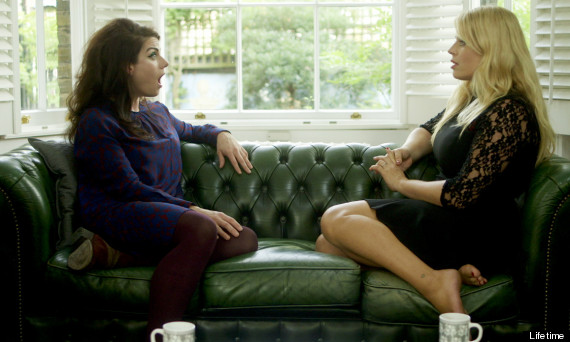
(Caitlin Moran and Amanda De Cadanet on "The Conversation")

In this interview, the interviewer Amanda is clearly in front of the camera along with her guest Caitlin Moran. They're both dressed very casually, with Amanda in a black lacy dress but making it not as formal by having no shoes or socks on. The interviewee, Caitlin, is also going for something very similar with dark coloured leggings, a country style boot and a long blue t-shirt style dress. Many of the shots are very intimate, with two of the shots being mid shots of the woman along with the two shot of them sitting together (which you can see above). Choosing to use these shots show that the woman are close and not afraid to talk about anything.

The interview topics are always something you think about afterwards. Unfortunately because of the way society still looks at women, if men were to watch they may not feel the same way a woman would. They talk about a wide range of topics including: self-reflection, love and divorce, changing the world one woman at a time, parenting, wellness and sexuality, to name a few. In my interview with my Mum, we won't be exploring those topics but I wanted to talk about Amanda's interview techniques because she makes her guests feel so comfortable and that's something that every interviewer strives for, but may not necessarily get, depending on their own interview style.


If you haven't seen "The Conversation", I've added a YouTube video of one of the shorter versions of the show that have been taken from the longer episodes and split up for YouTube. In this interview, Amanda De Cadanet talks to Zoe Saldana about not being defined by anything, how she actually likes her mistakes because she learns from them every time and growing up with that close bond with her two sisters.

This isn't a documentary, it is a "totally different interview series" but I feel like these techniques can be used all over various mediums from actual interviews to comparing them to other documentaries. 

Sunday, 8 December 2013

My Latest Meeting.

Following my meeting with our tutor on Thursday (5th December), my mind is truly at ease. The previous day I was made aware that we couldn't go re-shoot at the evening group because they had finished for Christmas; this was a huge blow because I felt like over this entire week, it was just one thing after another. As I explained in a few posts back, we have to do a complete re-shoot but now that I have seen the footage; I completely understand why and this will help advance our documentary, and make it the best it can be. I realize that this type of back and forth happens every single day on big and small productions in the media industry, but it all became a little overwhelming for a while.

I haven't had a lot of contact from my partner but I'm going to continue to film what I need to film, get all my documents together and continue to bring our idea to life, regardless.

Wednesday, 4 December 2013

Some of my favourite shots.

While we were going through the footage yesterday (Tuesday 3rd December), I took a few screen shots of some of my favourite clips to show what type of shots we got at last week's shoot.


Tuesday, 3 December 2013

"Searching for Sugar Man"

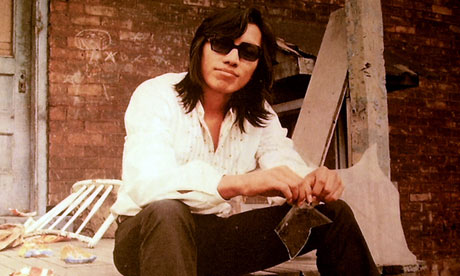
I can honestly say that this documentary is one of the most fascinating stories I've ever watched, even heard. "Searching for Sugar Man" is a documentary about Sixto Rodriguez who was an American musician in the 1970's who's music took off greatly in South Africa but never in his native America. Rumours for years had gone around about him killing himself and this story follows the journey of two of his biggest fans to find out the truth about his death, or if there even was a death. To them, it was like he just disappeared off the face of the earth and they wanted to know more about this mysterious musician. 


I'll not spoil the film for anyone who hasn't seen it yet, but it's a must see in my eyes. Not only story wise of course, but shot wise too. The beginning of the films starts out with a high wide shot of the city, these shots are my absolutely favourite camera shots; the buildings with all the lights lit up as well as the car lights; at night especially it's a beautiful view. When we move to Cape Town, it's very carefully played with the camera driving along with the car and it slowly pulls into a wide shot to see the car driving away in the distance but you can see how tall the cliffs and hills truly are. It's an amazing shot and I can only imagine how much time and patience went into getting that exact shot. 


Towards the beginning of the film, there was an animated drawing of "The Sewer" and over a few seconds, this turned into a photograph which then changed to real camera shots. It was a stunning panning shot, almost two minutes worth, and again, I can only imagine how long that took to set up and direct.


Other shots throughout the documentary included black and white photographs made into slow motion camera movement montages that all blended together so well that you wouldn't even realize you were watching a group of photographs; you felt as though you were watching a mini story unfold. When interviews were taking place, the background to these were very interesting; for example the interviews with Clarence takes place in a  recording studio and a number of gold discs are behind him on the wall.

Sixto's music is played throughout the film and they added an extra touch to make it easier to find his music online. Every time a different song played, the title of the track and the year it was made, was put on the left hand side on the screen.


If you're looking for a documentary with catchy music throughout, a story that will keep you compelled from start to finish as well as visually beautiful cinematography, then this is one of those films that you need to see.

Friday, 29 November 2013

Production Photographs!

I believe our shoot day was a success! We had both our schedules planned out, and all our release forms ready to give out to everyone at both groups.

I was the camera operator for the group I had organized while Jamie was done the sound. We then swapped roles when we got to his group later on that night.

Both groups were lovely to work with and were very accommodating to us filming around them. They let us listen in on their conversations, record them having a chat as well as knitting their own projects; and were very welcoming to Jamie and I.

Here is just a few of the production photographs we took on the night:

(A few of the ladies in the afternoon group in the library)


(Some knitted items at the evening group in the Church)

(Extreme close up of one of the already knitted items at the evening group)